
Bread Proofing Drawer
Bread Proofing Drawer - Boasting nine adjustable settings and a heat mode that can reach 185. Check dough periodically for progress. Retarding bread dough (proofing at cold temperature) cold proofing, or retarding, is where the shaped dough is placed into the refrigerator (or a dough retarder) to let proof for many hours at a cold temperature (usually overnight).then, the dough is typically baked straight from the refrigerator or after it’s brought up to room temperature. After more trial and error, we landed on a simple, consistently effective method for letting dough rise in the oven. According to bigger bolder baking , the dough must remain enclosed and deprived of fresh air, or a hard, restrictive meniscus will form on its exposed surface as its outermost layer dries. Web from ovens and warming drawers to bread makers, microwaves, designated proofing bowls and even slow cookers, a handful of proofing methods can help you achieve a springy and aerated loaf. The steam and heat from the boiling water will create a warm and steamy environment for the doughexactly what you. Set control knob to the proof setting. By understanding the principles of proofing and experimenting with different methods, you can master the art of proofing and bake delicious, fluffy bread every time. Proofing bread prepares dough for baking by activating the yeast. Web from ovens and warming drawers to bread makers, microwaves, designated proofing bowls and even slow cookers, a handful of proofing methods can help you achieve a springy and aerated loaf. Web food baking 101: Stash your dough on the middle or top rack and shut the door. Web proof bread in a warming drawer by covering dough with oiled waxed paper, setting the drawer to proof, and checking for readiness by pressing dough. Web proofing bread dough is not to be confused with bulk fermentation which refers to the first rise after making the dough, per sunrise flour mill. Web where to proof your bread. By understanding the principles of proofing and experimenting with different methods, you can master the art of proofing and bake delicious, fluffy bread every time. Available in a variety of types and sizes, these drawer organizers are sure to make cooking easier with more organized drawers. Place the container of dough on the middle rack, and pour 3 cups of boiling water into the pan. Adjust an oven rack to the middle position. Retarding bread dough (proofing at cold temperature) cold proofing, or retarding, is where the shaped dough is placed into the refrigerator (or a dough retarder) to let proof for many hours at a cold temperature (usually overnight).then, the dough is typically baked straight from the refrigerator or after it’s brought up to room temperature. To proof bread in the oven,. By understanding the principles of proofing and experimenting with different methods, you can master the art of proofing and bake delicious, fluffy bread every time. Web proof bread in a warming drawer by covering dough with oiled waxed paper, setting the drawer to proof, and checking for readiness by pressing dough. Place a loaf pan or cake pan in the. A sure sign of a great proof. Proofing bread prepares dough for baking by activating the yeast. Place the container of dough on the middle rack, and pour 3 cups of boiling water into the pan. The steam and heat from the boiling water will create a warm and steamy environment for the doughexactly what you. Web proofing bread dough. Web proofing bread dough is not to be confused with bulk fermentation which refers to the first rise after making the dough, per sunrise flour mill. To proof bread in the oven, place a glass baking dish on the bottom rack of the oven and fill it with boiling water. Web what can i use if i don’t have a. Web proof bread in a warming drawer by covering dough with oiled waxed paper, setting the drawer to proof, and checking for readiness by pressing dough. Place the container of dough on the middle rack, and pour 3 cups of boiling water into the pan. However, richard bertinet suggests that: To proof bread in the oven, place a glass baking. Web food baking 101: A sure sign of a great proof. Selecting the right warming drawer. The steam and heat from the boiling water will create a warm and steamy environment for the dough—exactly what you want for a good rise. Web where to proof your bread. Place vent on moist setting. Place the container of dough on the middle rack, and pour 3 cups of boiling water into the pan. A sure sign of a great proof. Web according to knead rise bake, cooler temperatures are ideal for the ultimate taste and texture in bread — room temperature is better than a proving drawer, and if. Web whether you use a warming drawer, proofing box, or another method, proofing bread is a crucial step that can greatly impact the final quality of your bread. Set control knob to the proof setting. Place the container of dough on the middle rack, and pour 3 cups of boiling water into the pan. Adjust an oven rack to the. Selecting the right warming drawer. Check dough periodically for progress. Adjust an oven rack to the middle position. Stash your dough on the middle or top rack and shut the door. Boasting nine adjustable settings and a heat mode that can reach 185. Web look at those bubbles! Selecting the right warming drawer. Along with trapping dust and debris, dust proofing panels also prevent items. The warmth of the drawer accelerates the yeast activity, reducing the proofing time significantly. Creates humidity so the dough never dries out; Web food baking 101: Most bread recipes will require the bread dough to rise twice, the first time after kneading and again after the dough has been risen for the first time and then shaped. Pro bakers have special proofing cupboards to keep the environmental temperature steady while doughs and starters do their thing. However, richard bertinet suggests that: The steam and heat from the boiling water will create a warm and steamy environment for the doughexactly what you. Creates humidity so the dough never dries out; Along with trapping dust and debris, dust proofing panels also prevent items. Web proving which is also known as proofing is the process where the dough is rested to allow the yeast to ferment and produce gas bubbles which help the dough to rise. Web proof bread in a warming drawer by covering dough with oiled waxed paper, setting the drawer to proof, and checking for readiness by pressing dough. Web how to proof bread in your oven. Proofing bread prepares dough for baking by activating the yeast. We home bakers make do with warm ovens, radiators, and all other manner of. A sure sign of a great proof. Boasting nine adjustable settings and a heat mode that can reach 185. Web according to knead rise bake, cooler temperatures are ideal for the ultimate taste and texture in bread — room temperature is better than a proving drawer, and if you've got the time, the refrigerator is actually best.this is because the colder it is, the slower the yeast works, which creates a long, stable rise, and that allows lovely flavors. The warmth of the drawer accelerates the yeast activity, reducing the proofing time significantly.
Bread Drawer Kits, RevaShelf BDC Series163/4 Bread drawer, Rev a
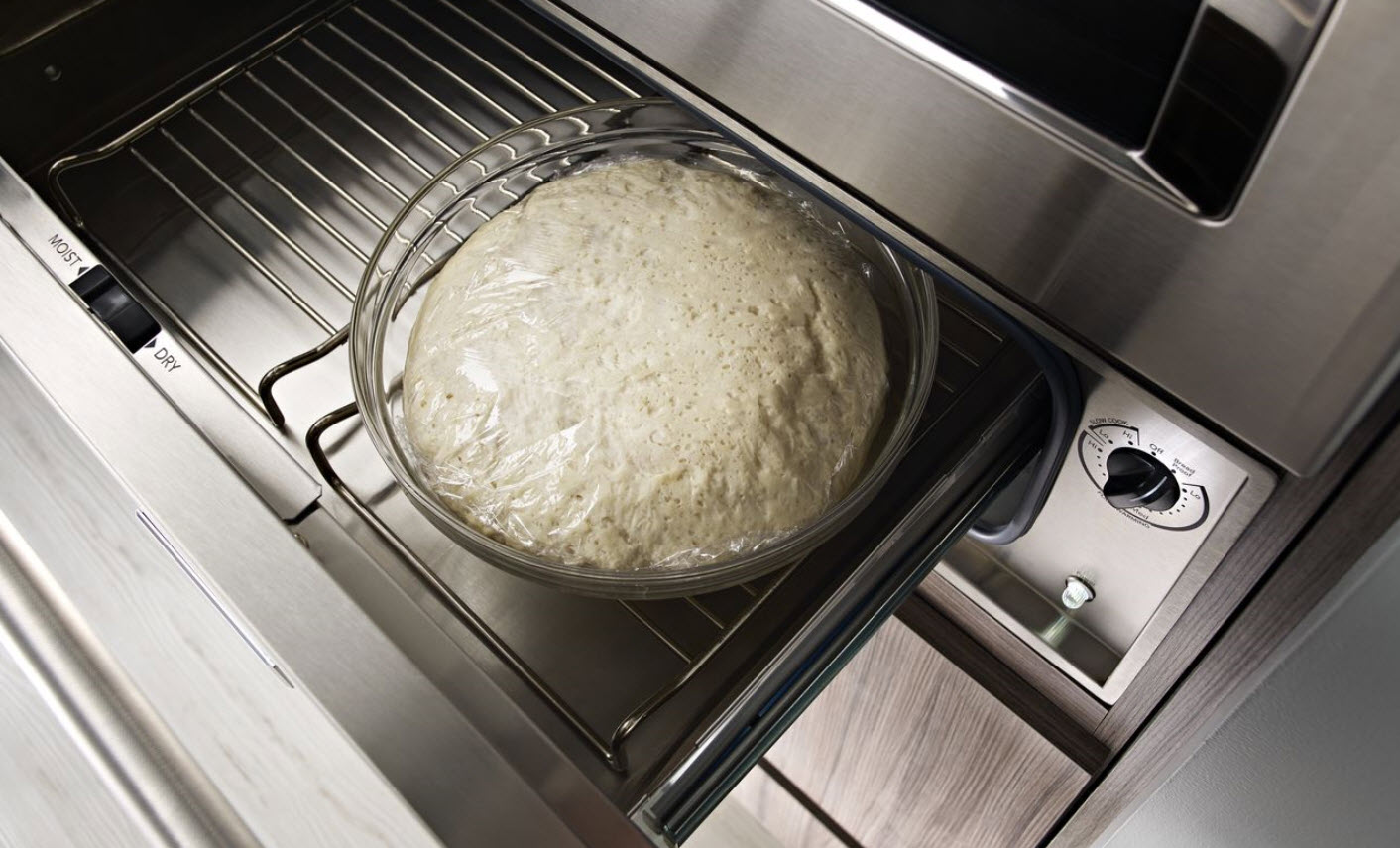
Proofing Bread Product Help KitchenAid

MFG Tray 8750085136 Gray Fiberglass Dough Proofing Box 18" x 26" x 4
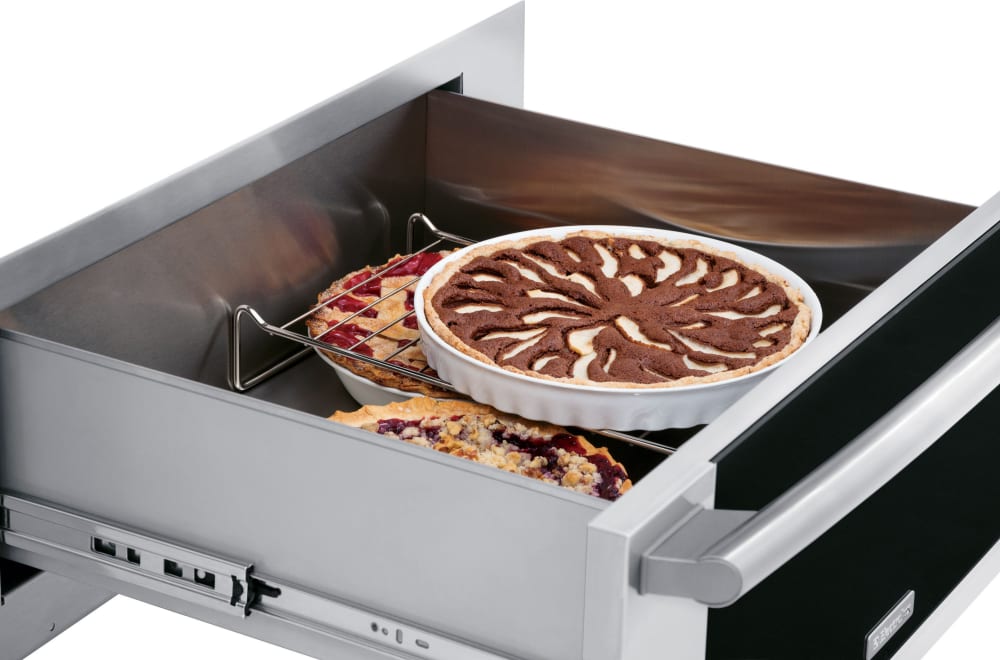
Electrolux EW30WD55QS 30 Inch Warming Drawer with 1.6 cu. ft. Capacity
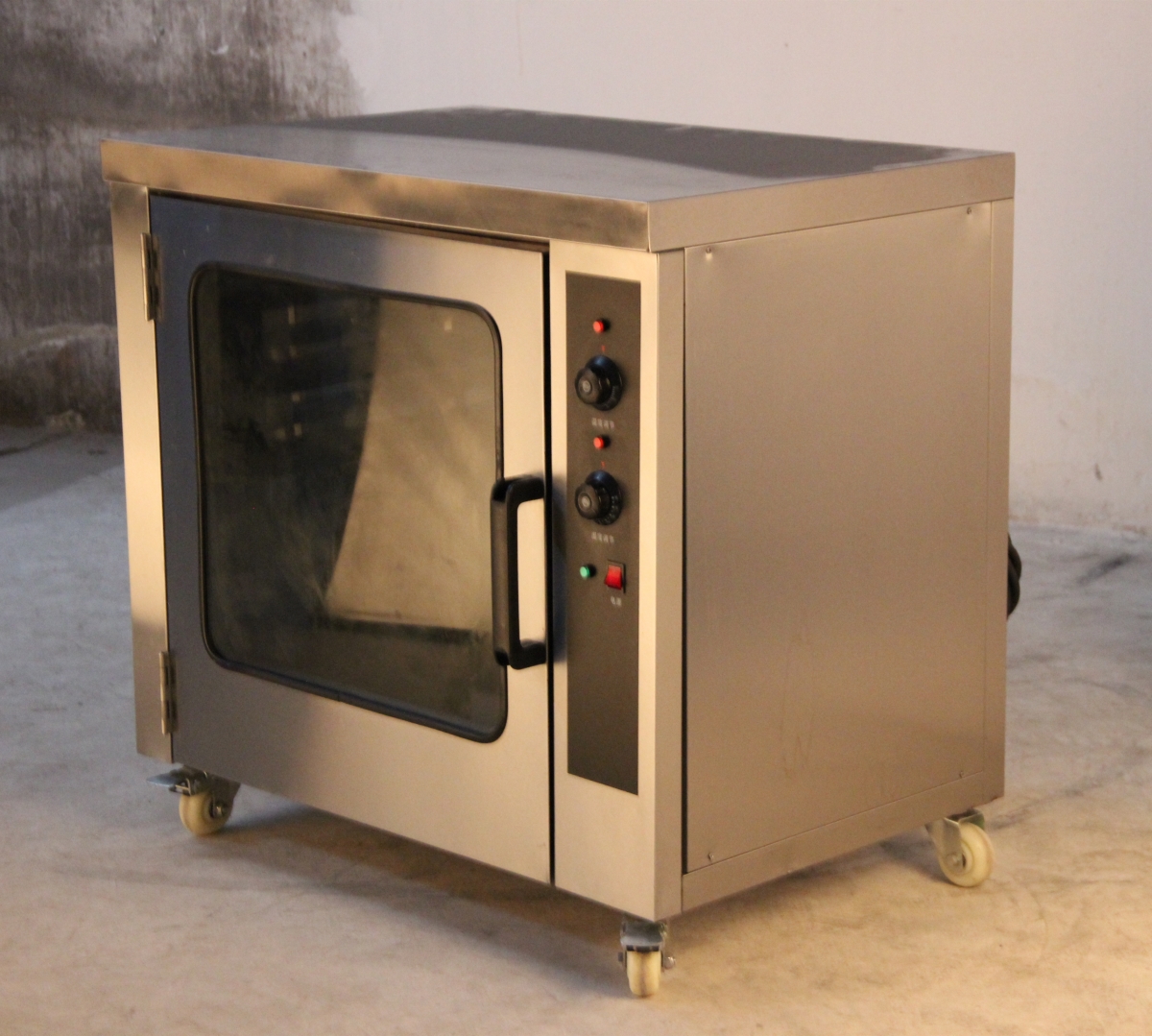
XF5AE 5 trays single door domestic countertop small home dough proofer
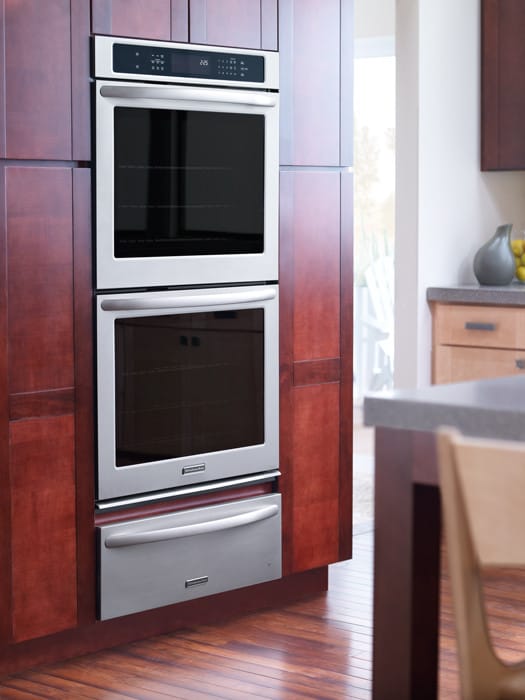
KitchenAid KEWS105BSS 30 Inch Warming Drawer with Slow Cook Function, 2
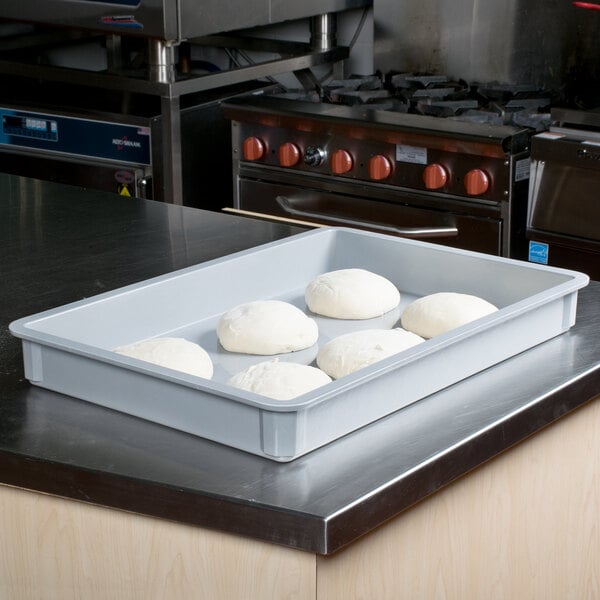
MFG Tray 8700085136 Gray Fiberglass Dough Proofing Box 18" x 26" x 3"

Stainless Steel Bread Drawer Inserts

XF5AE 5 trays single door domestic countertop small home dough proofer
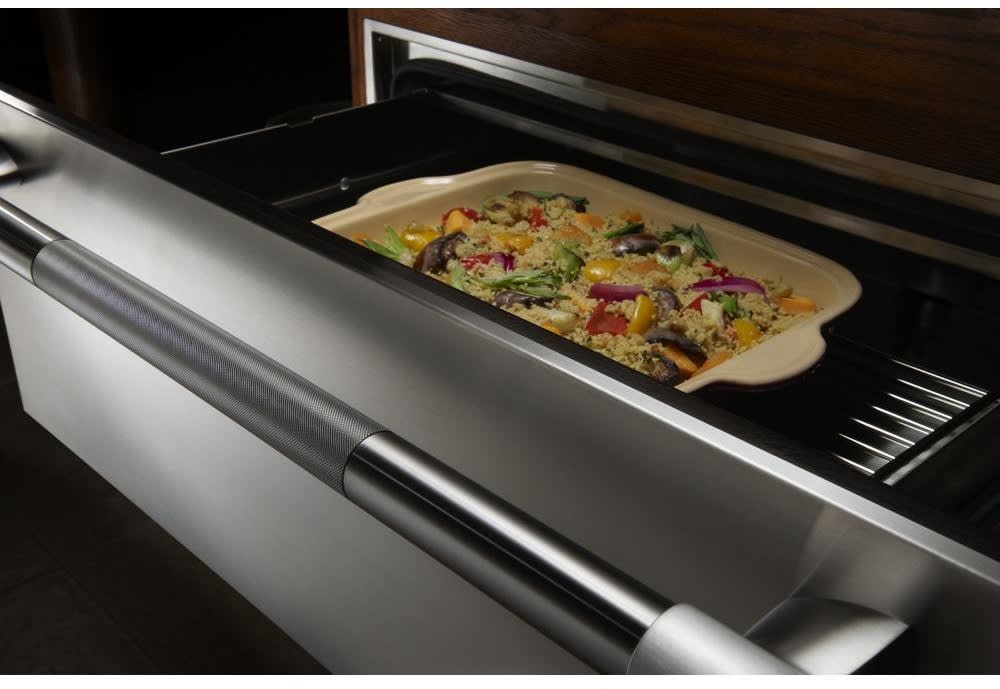
JennAir JWD3030EP 30 Inch Electric Warming Drawer with 1.5 Cu. Ft
To Proof Bread In The Oven, Place A Glass Baking Dish On The Bottom Rack Of The Oven And Fill It With Boiling Water.
This Little Basket Makes Artisan Bread So Easily That I Only Wish I’d Had One All Along — My Breads Now Rise Better, Go Into The Oven Much More.
Stash Your Dough On The Middle Or Top Rack And Shut The Door.
Retarding Bread Dough (Proofing At Cold Temperature) Cold Proofing, Or Retarding, Is Where The Shaped Dough Is Placed Into The Refrigerator (Or A Dough Retarder) To Let Proof For Many Hours At A Cold Temperature (Usually Overnight).Then, The Dough Is Typically Baked Straight From The Refrigerator Or After It’s Brought Up To Room Temperature.
Related Post: